


National Minority Health Month: Small Steps That Can Make a Lasting Difference
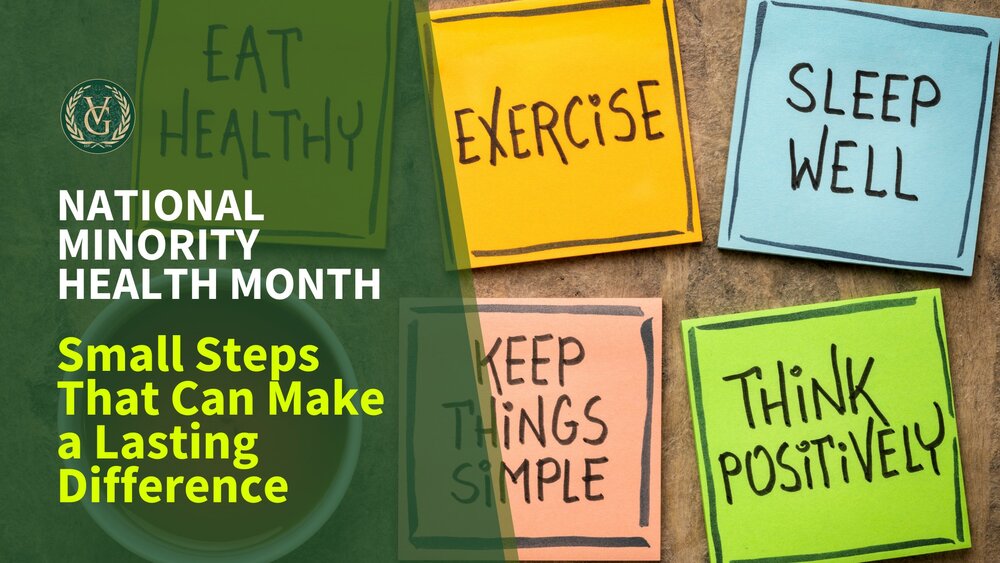
Highlights
- National Minority Health Month encourages awareness and action to improve community well-being
- Everyday habits can support long-term physical and emotional wellness
- Preventive care and routine checkups play an important role in overall care
- Staying connected to family, faith, and community can support emotional balance
- Consistent, thoughtful choices can lead to meaningful improvements over time
National Minority Health Month is a reminder that consistent, everyday choices can support lasting improvements in overall well-being.
Observed each April, this national awareness effort encourages people to focus on prevention, education, and healthier routines.
In this article, we will explore six practical ways to support your well-being during National Minority Health Month and beyond.
1. Everyday habits can make a positive difference over time.
Improving overall wellness doesn’t always require major changes. Often, it begins with manageable adjustments that fit naturally into everyday life.
Choosing balanced meals, staying hydrated, getting enough rest, and incorporating regular movement can all contribute to feeling better day to day. Even short walks or preparing healthy meals at home can have a beneficial impact.
2. Preventive care plays an important role in staying well.
Routine checkups and screenings help identify potential concerns early. Many conditions, including high blood pressure, diabetes, and heart disease, can develop gradually without obvious symptoms.
Regular visits with a healthcare provider support early detection and more effective care.
The Centers for Disease Control and Prevention (CDC) notes that preventive care includes regular checkups, screening tests that look for disease early, and services such as vaccines that help prevent disease and other health problems. (Source: Centers for Disease Control and Prevention, Are You Up to Date on Your Preventive Care?)
3. Emotional well-being deserves equal attention.
Wellness includes both physical and emotional balance. Taking time reflect and manage stress can support how you feel each day.
This may include prayer, meditation, journaling, or simply setting aside quiet time. When feelings become overwhelming, reaching out to a trusted friend, family member, or professional can provide comfort and support.
4. Staying connected can strengthen overall well-being.
Relationships often play a meaningful role in maintaining wellness. Staying in touch with loved ones and faith communities can provide encouragement and a sense of belonging.
Sharing a meal, making a phone call, or spending time together can offer emotional support and help reduce feelings of isolation.
5. Healthy choices can begin at any stage of life.
It’s never too late to focus on well-being. Whether maintaining current habits or making gradual changes, every effort matters.
Focusing on realistic, sustainable routines can help support independence, comfort, and overall quality of life.
6. Change feels more manageable when it’s taken one step at a time.
For many people, improving daily routines can seem overwhelming at first. Focusing on one or two areas at a time can make the process feel more achievable.
Over time, these gradual adjustments can become part of a steady, supportive routine that promotes long-term well-being.
FAQs
1. What is National Minority Health Month?
Observed each April, this national awareness initiative focuses on improving outcomes by encouraging prevention, education, and access to care in underserved communities.
2. Why is this observance important?
National Minority Health Month brings attention to challenges that affect many communities and encourages individuals and families to take proactive steps toward better, lasting well-being.
3. How can someone take part in National Minority Health Month?
Participation can be as simple as scheduling a checkup, becoming more active, making balanced food choices, or having conversations about healthy habits with loved ones.
4. How does this effort support long-term wellness?
It promotes habits such as preventive care, consistent routines, and strong social connections, all of which can contribute to improved quality of life over time.
5. Can everyday habits really make a difference?
Yes. Consistent routines like walking regularly, eating balanced meals, and staying connected with others can support both physical and emotional well-being.
National Minority Health Month is a reminder to focus on well-being, both for yourself and those closest to you. If you have questions about positive habits or planning for your family’s needs, we are here for you. Please reach out to us anytime.
About Vaughn Greene Funeral Services: For 30 years, Vaughn Greene Funeral Services has been providing a ministry of care to Baltimore’s African American community. As a leading local, minority- and family-owned provider, we promise to provide our highest level of service and respect to families who entrust us to honor their loved ones. For more information about our funeral, cremation, memorial, repast, and grief counseling services, please call us at 410.655.0015 or visit us online at https://vaughncgreene.com.



Comments