


The Senior Lifestyle: Five Tips to Help You Retain Your Independence and Your Safety
Aging comes with many important decisions, including where to live.
According to a 2019 AARP survey, 75% of American seniors say they want to remain in their own homes, but that’s not always feasible. Declining health, rising medical costs, and other issues sometimes require a move to a retirement community or assisted living facility so that additional care can be provided. If remaining at home is your preference, there are steps you can take to support that effort.
In this article, we’ll share five tips to help you retain your health and independence as you grow older.
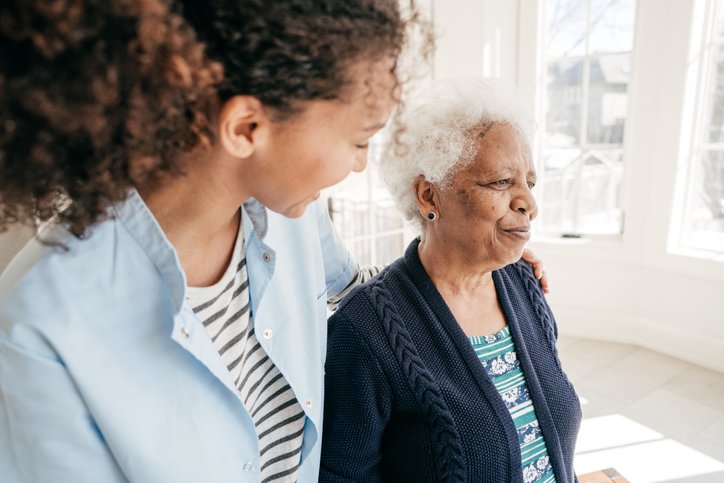
Incorporate fall prevention techniques.
Falls are the most common cause of nonfatal hospital admissions for older adults. They can trigger a decline in functioning, which can affect the ability to remain independent. Falls most commonly result from muscle and balance weakness, vision problems, medication side effects, poor nutrition, chronic health conditions, and unsafe home environments. If you are experiencing weakness, dizziness, vision problems, or medication side effects, your doctor may be able to provide some helpful ideas to alleviate these issues. Engage an occupational therapist to evaluate your home for potential issues such as poor lighting, bathroom safety, stairs, and tripping hazards. Continued mobility is essential in preventing falls. Keep moving by practicing gentle strength and balance exercises, like Tai-chi. Walking is a also great way to improve circulation and mobility.
Work with experts who understand the aging process.
Geriatricians are medical doctors who are specially trained to manage the complexities of multiple complicated health concerns and know the difference between normal aging and more serious illness. They’re also trained to recognize side effects and drug interactions in the elderly that result from changes in metabolism. Geriatric care managers, also called life care managers, are key resources, too. They evaluate in-home care needs and assist in locating the appropriate services. For referrals, you can start by visiting The Aging Life Care Association.
Exercise your mind.
Maintaining brain health is key to remaining at home. Research has shown that mentally-stimulating games and activities preserve cognitive functioning in older adults. A Harvard Medical School study revealed that playing challenging brain games can improve critical thinking skills, which decrease with age. Just like the muscles in your body, your brain needs regular exercise to keep it in peak condition. A healthy diet that includes plenty of fruits and vegetables, daily physical activity, and exposure to sunlight are all very stimulating to the mind.
Maintain connections with others.
Relationships are vital to supporting mental health at any age. These connections improve the ability to manage stress and they effectively combat anxiety and depression. Amid social distancing situations, it’s especially important for family members to be vigilant about connecting with older loved ones. For seniors who need a little extra help around the house, hiring a caregiver can be a good option. They not only provide assistance with daily living and home safety issues, but they offer companionship and conversation, too.
Make a plan.
Staying in your home requires thinking ahead. If you have chronic conditions, talk with your doctor to understand how the disease could progress so you can anticipate how to manage it in the future. Consider how you can get help if it’s needed. Medical alert systems are effective and efficient, offering fast response times from first responders if medical attention is necessary. It’s also important to talk with your family to create a care plan. Include what you would want if you were to get sick, and who will take care of you, your spouse, and your pets if you are unable to do so.
If you have questions or need additional information about retaining your safety and independence at home, we are happy to assist. Please contact our compassionate funeral directors anytime.
About Vaughn Greene Funeral Services: For 25 years, Vaughn Greene Funeral Services has been providing a ministry of care to Baltimore’s African American community. As a leading local, minority- and family-owned provider, we promise to provide our highest level of service and respect to families who entrust us to honor their loved ones. For more information, please call us at 410.655.0015 or visit us online at https://vaughncgreene.com/.



Comments